
Incorporating plants into your living or working space not only enhances aesthetics but also brings a sense of well-being. Understanding interior plant design can seem daunting; this article simplifies it. We cover how to choose the right plants for different interior conditions, present design strategies for impactful placement, and share maintenance tips for ensuring the vibrancy of your plant-filled spaces.
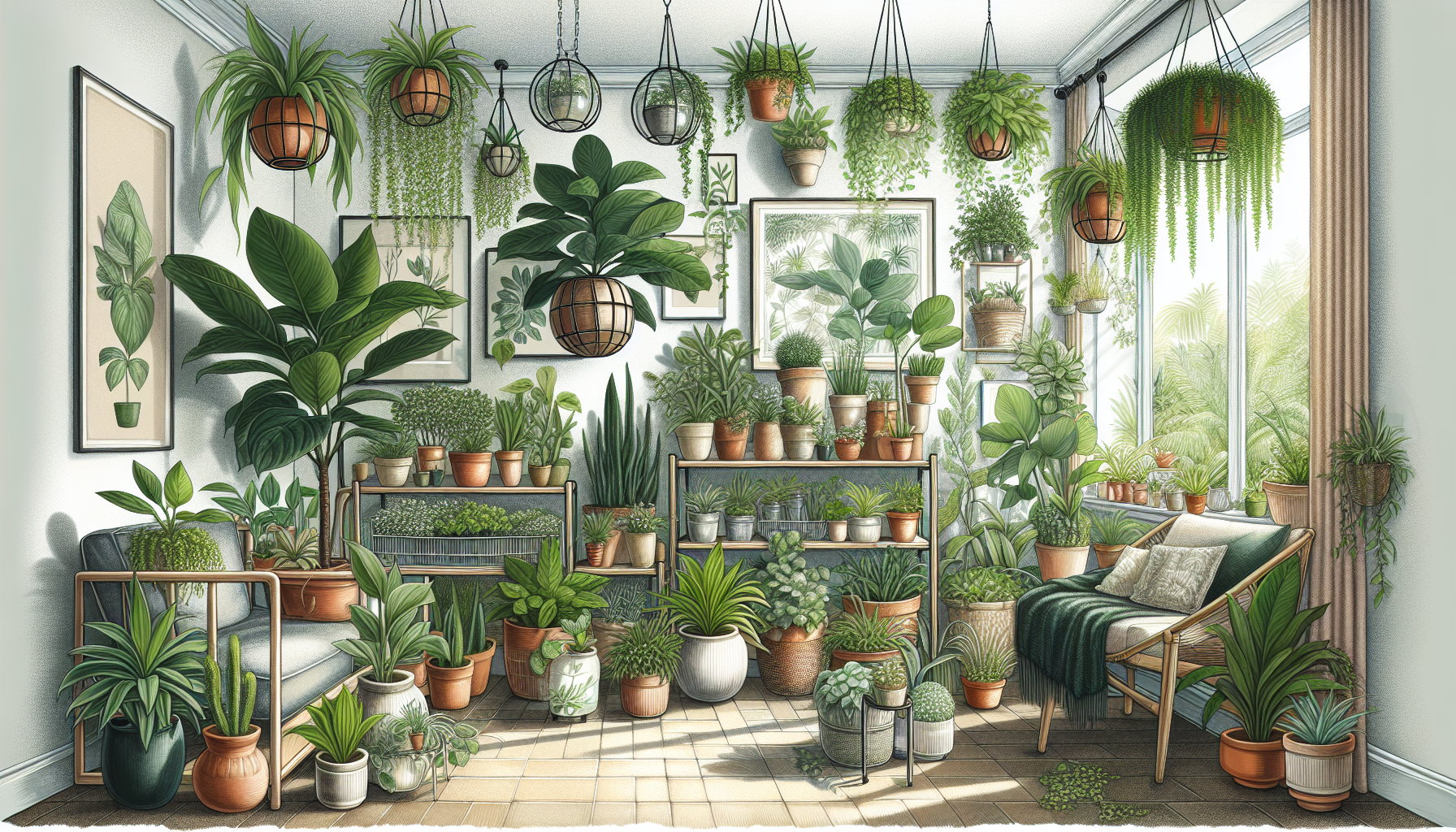
Creating an indoor oasis is an art in itself. It requires a keen eye for design, a good understanding of plants, and a passion for creating tranquil spaces. The presence of plants contributes to overall wellness by purifying the air and improving mental health through their calming effect.
These green companions not only enhance the aesthetics of a room but also the practical aspects like light and water needs and maintenance requirements.
Choosing the right plants for your space is crucial. Certain plants, like the Philodendron and Dracaena, are known for their low-light tolerance, making them ideal for spaces with limited natural light. However, it’s also essential to consider the size of your space.
For example, Rubber trees, which can grow up to 10 feet, are effective for creating visual impact in large spaces.
Just as important as the plants themselves, are the containers they’re housed in. They come in a diverse range of materials such as:
Each material contributes differently to the room’s style and plant health.
Terracotta pots, for instance, not only add to the kitchen’s aesthetic but also serve as functional containers for growing fresh kitchen herbs.
The positioning of plants plays a significant role in creating a visually pleasing and dynamic display. For instance, grouping houseplants in odd numbers creates a visually pleasing arrangement. In addition, plants with trailing or vining growth habits can guide the viewer’s gaze, making the room feel more expansive and dynamic.
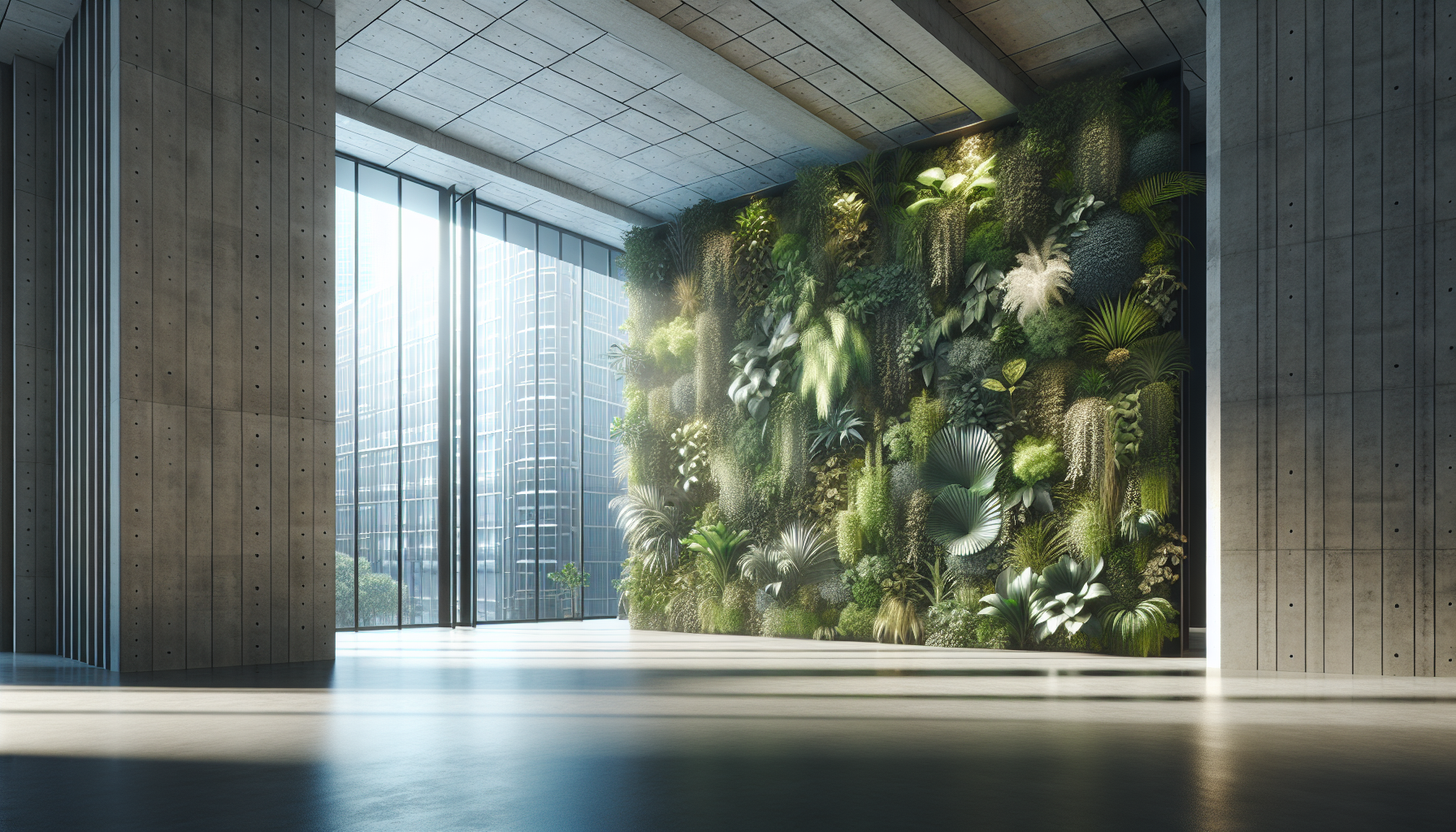
Stepping into the realm of living walls, these structures serve as botanic art, providing a rejuvenating natural environment that requires less mental effort to engage with than urban landscapes. From the beginning, they offer a space-saving solution that allows for the integration of greenery in the urban jungle without sacrificing floor area.
By including a variety of plants, living walls enhance indoor air quality through their natural air purification processes.
Living walls serve as a creative solution for integrating nature into interior design by making use of vertical spaces. This innovative approach to plant display not only saves floor space but also creates a visually appealing focal point in any room.
Selecting the right plants for living walls is a crucial step in achieving the desired aesthetic. Various plant types can be used, including:
Hardy perennials and low-maintenance succulents are particularly recommended for their ability to grow vertically.
Maintaining a living wall requires a good understanding of environmental conditions such as light exposure, humidity, and airflow. Routine tasks include ensuring the irrigation system is functioning properly, pruning and replacing plants as necessary, monitoring soil conditions and fertilization, controlling pests, and checking the wall’s structural integrity.
Transitioning to a commercial setting, interior plantscaping and landscaping for commercial clients is a specialized task. It requires horticultural knowledge and client interaction skills, with the goal of creating tailored plant designs that match business styles. Whether it’s a small office or a large commercial building, plants can make a significant difference in the atmosphere and aesthetics of a workspace.
Every business has a unique brand and style. By curating plant designs to accurately represent a company’s brand and values, it is possible to create a distinct atmosphere in the workplace. For instance, tropical plants like the bird of paradise can bring a vibrant atmosphere to the office with its stunning flowers, while the corn plant is well-suited for lower-light areas.
Large spaces offer a unique opportunity for making a statement with plants. Some ideas for incorporating plants in large spaces include:
These ideas can help you create a visually stunning and inviting environment in your large space.
Incorporating plants into the workplace comes with numerous benefits. From boosting productivity to improving air quality and creating a more attractive environment, plants can significantly enhance the overall work experience.
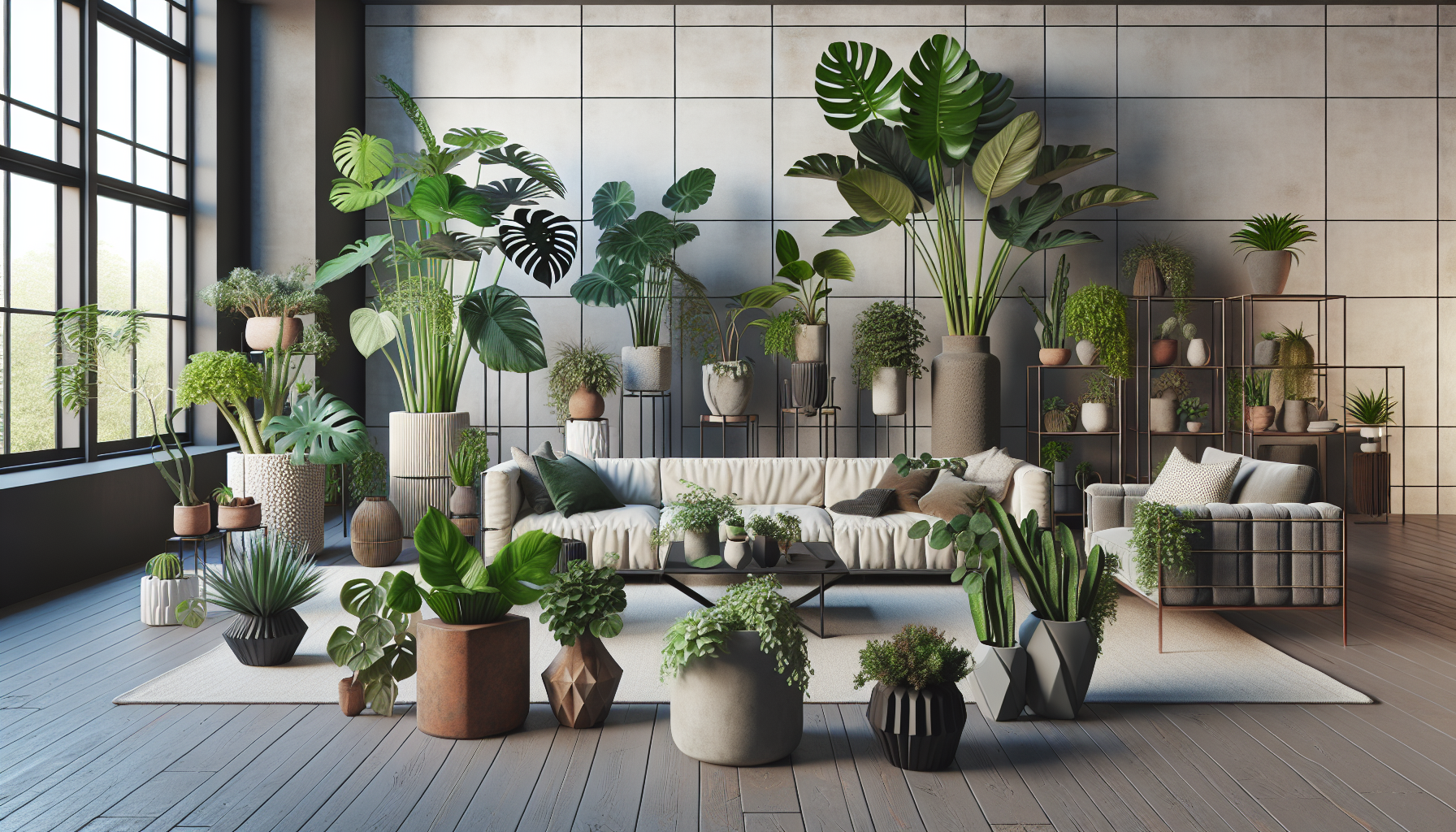
Mixing plants and decor is an exciting part of interior plantscaping. Choosing plant varieties and containers that complement or contrast with interior decor can create a unique visual impact.
Whether you’re looking to match or contrast with your interior decor, the choice is yours.
Finding the perfect plant-decor combination is a creative process that involves considering:
For instance, a Swiss cheese plant complements mid-century modern decor with its distinctive foliage, while snake plants and cast iron plants match industrial interiors well.
Containers, in addition to housing plants, can serve as decorative elements in your space. They come in a wide range of materials and styles, each contributing differently to the room’s style and plant health. Some popular container options include:
The choice of container can significantly enhance the aesthetic of your plant space.
Plants can enhance or soften architectural lines and features, such as window sills, columns, or art nooks. Strategic placement of plants can lead an observer’s eye along pathways or frame scenic views, enhancing the overall architectural experience.
Maintaining plants requires a good understanding of their needs and a commitment to their care. Key elements of plant care include assessing lighting conditions, frequent cleaning of leaves to prevent dust accumulation, and understanding the watering needs of each plant.
Watering plants is not a one-size-fits-all task. Each plant has specific watering needs, and understanding these needs is crucial for their survival. From assessing the need for watering by checking the soil dryness to watering plants at the base to avoid leaf diseases, each step is critical.
Pruning and pest prevention are equally important aspects of plant care. When pruning houseplants, it’s recommended to use sharp, clean tools for a clean cut.
On the other hand, common houseplant pests like aphids and spider mites can be treated with insecticidal soap or a forceful water spray.
Consistency is key when it comes to plant care. Keeping a maintenance log aids in tracking the care routines for plants, taking into account their specific needs.
Documenting any instances of disease or pest infestations helps in managing plant health effectively.
Personalizing your plant space is a rewarding process. From selecting plants that reflect your personal style to arranging them in a way that complements your space, personalizing your plant space allows you to create a unique indoor oasis that you can call your own.
Adding personal touches to your plant space can transform a house into a home. Whether it’s selecting plant varieties that match your home’s style or incorporating plants with varied textures, colors, and sizes, each element can add a unique touch to your space.
For plant enthusiasts, engaging in DIY projects can add a fun and personalized touch to their plant spaces. From crafting small concrete planters to repurposing items like glass containers into planters, the possibilities are endless.
While personalizing your plant space can be rewarding, there are times when professional help may be necessary. Working with a professional plant stylist can help achieve the desired aesthetic in your space, ensuring that your indoor oasis is not just beautiful but also well-maintained.
In summary, integrating plants into our living spaces, whether it’s a small apartment or a large commercial building, can significantly enhance our surroundings. From improving air quality to boosting productivity and creating a tranquil oasis, the benefits of plants are numerous. So, whether you’re an experienced plant enthusiast or a beginner, there’s no better time than now to start your journey in interior plantscaping.
You can call a plant decorator by different names such as House Plant Expert, Indoor Plant Designer, or Plant Consultant. These are just a few examples of the various titles used in this field.
A plant stylist assesses a space and decorates it with plants that will thrive in that environment. This creates an aesthetically pleasing and healthy green space.
A houseplant expert can be called by different titles, such as House Plant Expert, Indoor Plant Designer, or Plant Consultant. There are various names for this role.
Integrating plants into living spaces can improve air quality, boost productivity, and create a tranquil atmosphere. This can lead to a healthier and more pleasant environment.
A living wall is a creative way to incorporate greenery into interior design, particularly in spaces with limited floor area.